One Clinic, Many Roles: What a Team Needs to Speak to Patients with One Voice
If even one team member is not adequately prepared and trained to meet the patient's expectations, the patient notices. And that, often, is enough to determine whether they will return.
The Goal: A Common Language at Every Point of Contact
At SkinDoctor and Ananeosis, as in many clinics operating with a multi-role team, the goal was clearly not for the team to learn something from scratch — many things were already being done correctly. The aim was something more advanced: for everyone to speak about treatments, expectations, and next steps using a shared language, aligned messages, tailored to everything the clinic stands for. By achieving this, the team stands out in every patient's eyes for its professionalism — and inspires confidence.
Clear Roles, Clear Responsibilities
One of the most critical elements of the programme was the clear definition of roles — not job titles, but responsibilities: who does what, when, and in what way, so that no point in the patient's journey is left unaddressed.
The patient coordinator role was created and given a clear framework of duties: introducing the patient to their care programme, coordinating and guiding the aesthetician team, and monitoring whether follow-up is needed. This is not simply another role in the clinic. It is the connecting link between the clinic and the patient.
At the same time, the responsibilities of each role were clearly defined at every stage: the physician diagnoses, documents and sets expectations; the aesthetician performs the treatment and educates the patient; the receptionist opens and closes each visit in a specific, consistent way. What seemed self-evident is now structured.
Communication Frameworks, Not Scripts
UpMyBusiness does not design scripts to be memorised. It designs communication frameworks — structured but flexible enough for every professional to make them their own.
For every patient concern and category, the appropriate messages and full communication framework were developed for each role. The physician knows what to emphasise clinically and how to set realistic expectations. The aesthetician knows how to explain the next steps and what to say about aftercare. The patient coordinator knows how to book the next appointment without the patient perceiving it as a sales push.
The result is a team that follows a unified plan of action — even when each member plays a different role — with the ultimate goal of providing the best possible care to every patient who places their trust in the clinic.
New Processes for Every Stage of the Visit
The training did not stop at communication. It covered the processes that structure every visit from start to finish.
A structured protocol was developed for the physician consultation, as well as reception and cross-selling frameworks. Every stage, from check-in to check-out, was given a clear structure.
This structure is the most important difference between a clinic that operates and a clinic that performs.
The Principle That Underpins Everything
Every scenario, every phrase, every process was created following the same logic: the patient is informed about a treatment programme designed to deliver the best possible outcome for them — not about a single session. This fundamentally changes how they perceive the value of what is being offered, making them far better informed when the time comes to decide on the investment required. Rather than comparing prices, they understand a complete set of actions designed specifically for their concern.
At the same time, expectations are always set realistically: time to visible results, recovery stages, number of sessions. All of this is communicated early, clearly, and by the right role. Because what the patient knows in advance does not worry them later.
The Training: The Whole Team, Together
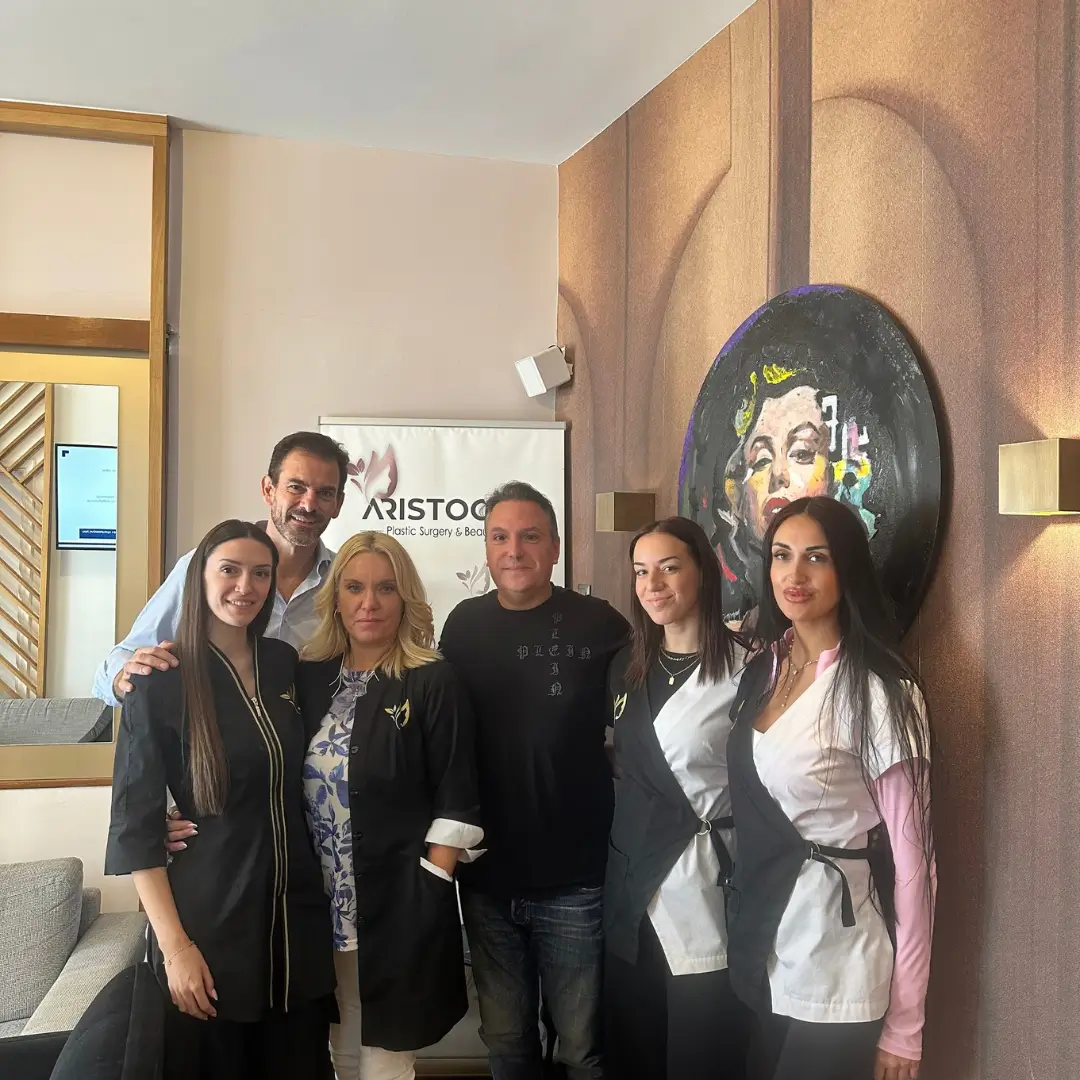
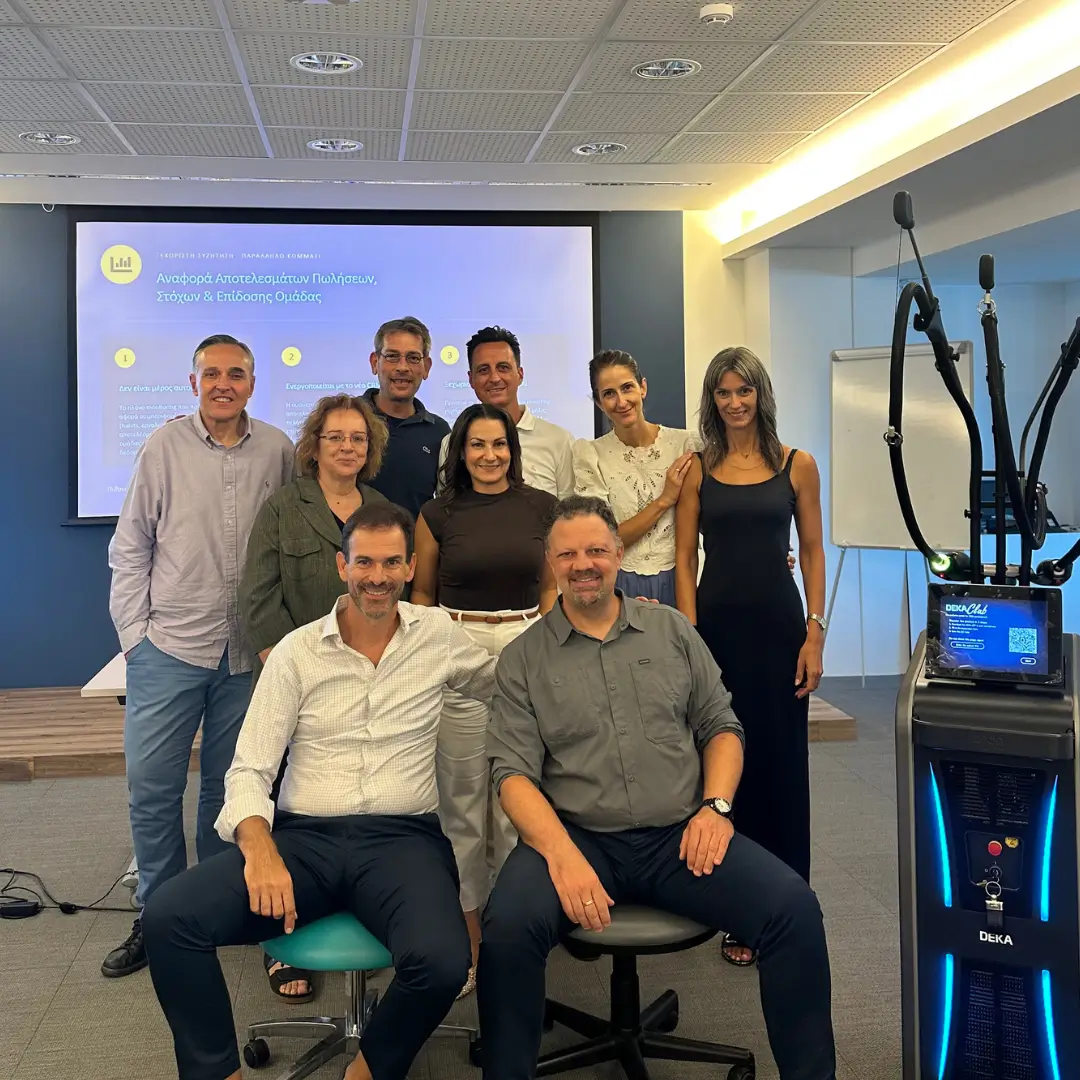
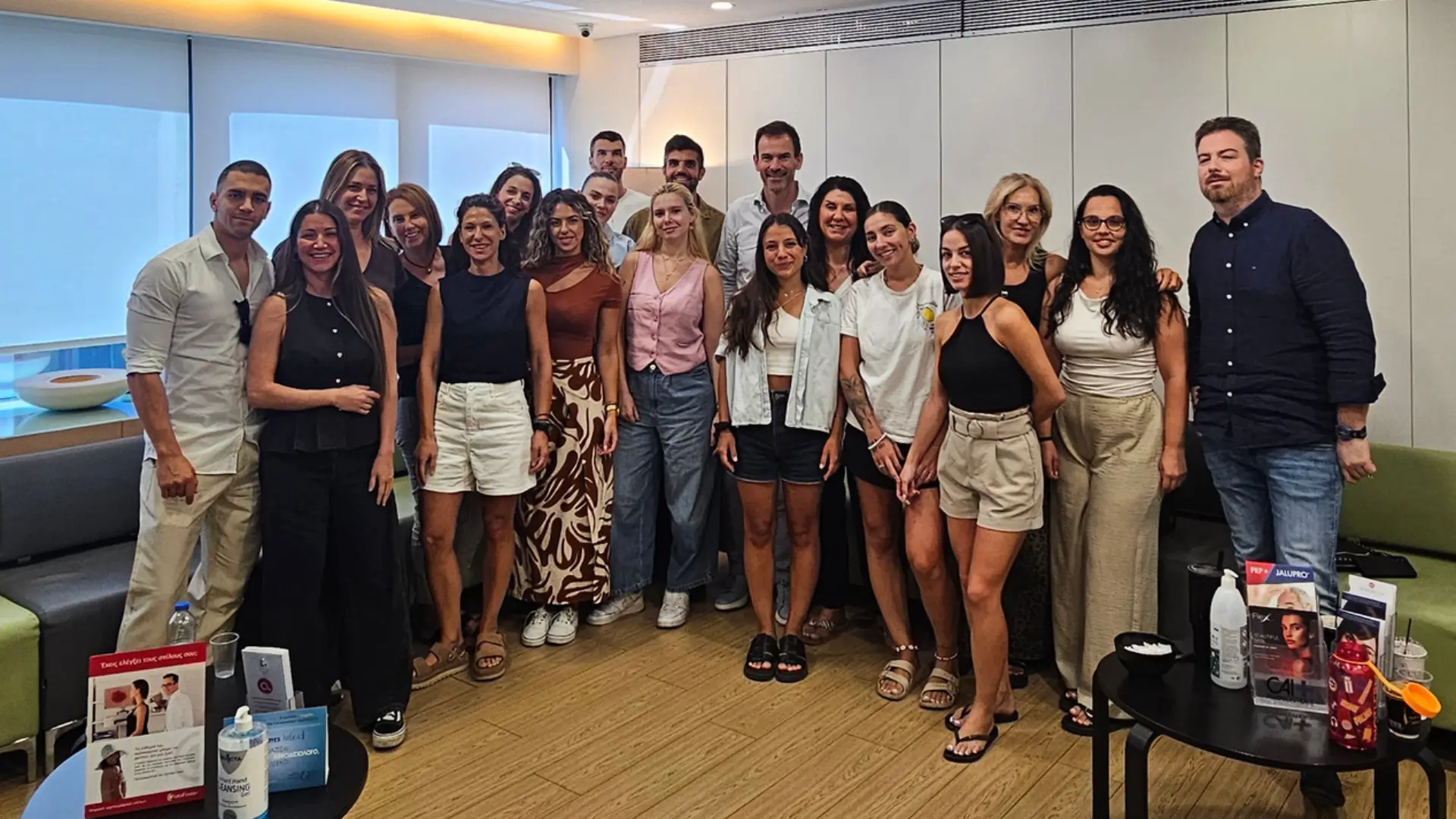
On 12 September 2026, the entire SkinDoctor and Ananeosis team — physicians, aestheticians, front desk staff and patient coordinators, together with the management team — worked together on these frameworks. It was not a passive presentation. It was an interactive practice session based on real scenarios: the patient who asks about price before hearing what is being proposed, the one who hesitates because they want to think it over, the one who has heard something elsewhere and is not sure.
Every team member saw their role within the patient's journey. They understood exactly where they stand — and how they can make the difference at that point.
The Tools That Make Processes Easier and More Effective
Without the right tools, even the best-structured processes depend entirely on the team's memory and motivation. This is why, alongside the training, two specialised digital tools were developed to provide all the information the team needs to implement what was agreed.
The Business Intelligence Tool gives management a complete picture of performance: revenue by treatment, patient flow, trends. Instead of decisions based on impressions, there are now data. Strategic decisions are grounded in measurable results.
The Patient Coordinator Tool guides all actions for patient preparation and communication: scheduling treatments and service combinations, monitoring follow-ups, organising outreach, and ensuring that no patient is lost in the gap between two sessions.
The two tools do not replace the team. They free the team to focus on what truly matters: caring for the patient.
A patient's experience is not judged by a single session. It is judged by the totality of their interactions with the clinic. And that totality is not built by one person. It is built by the entire team — knowing their role and saying what needs to be said, at the moment it needs to be said.
Would you like to see how a similar programme could be implemented in your clinic? Contact UpMyBusiness and let's design it together.