.png)

New Treatment, Same Team: How to Communicate the Value of Every New Service to Your Patients
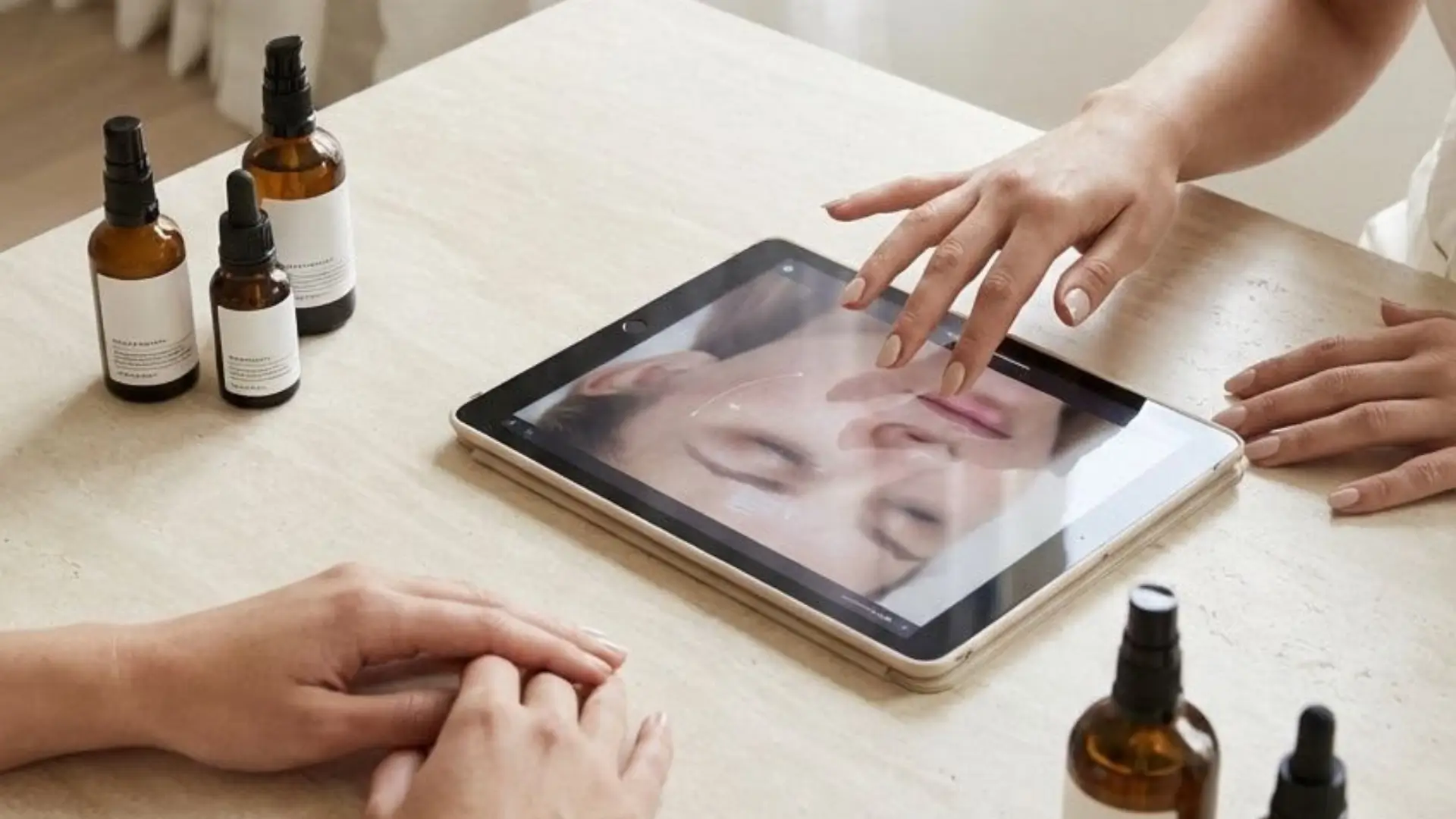
In many aesthetic medicine clinics, a new treatment is simply added to the service menu and left there. The team doesn't know how to explain it. Patients never hear about it. And the investment remains largely underutilized.
The value of a new treatment is not created by the device itself. It is created by the way your team presents it, explains it, and recommends it.
The Problem: The Treatment Exists, but the Team Doesn't Know How to "Sell" It
Presenting a new treatment is not selling in the negative sense of the word. It is patient education. It is informing patients about a solution that may address a concern they have. It is an extension of patient care.
The problem arises when the team does not know how to approach patients in a way that helps uncover their needs, lacks sufficient knowledge about the treatment to explain it confidently, is unsure which patients are suitable candidates, and has no strategy for naturally introducing the treatment into the conversation.
Step 1: Internal Training Before Anything Else
Before communicating any new treatment to your patients, your team must fully understand it. This means knowing:
- What the treatment does and how it works, explained in simple language without medical jargon or technical terminology.
- Who the ideal candidate is.
- What results patients can realistically expect and within what timeframe.
- The most common questions and concerns patients may have.
- How to naturally introduce the treatment during conversations with patients who may benefit from it.
Without this internal training, even the most successful marketing campaign will bring in patients who leave their first interaction with the team without a clear understanding of what to expect from the treatment.
Step 2: Talk About Value, Not Price
One of the most common mistakes when introducing new treatments is focusing on features instead of benefits. The team explains the technology, while the patient wants to understand what it means for them.
Value-focused communication always speaks from the patient's perspective: what they will feel, what they will see, and how their daily life may improve after the treatment. It describes outcomes, not machinery.
For example, instead of saying:
"The device uses X technology to stimulate collagen production,"
try communicating the value more clearly:
"Most patients notice visible improvements within four to six weeks and feel that their skin has regained its firmness and vitality."
Step 3: Know Which Patients to Recommend It To—and When
It is not enough for the team to understand what the treatment does. They must also know when to introduce it.
Every new treatment has a specific patient profile based on age group, skin type, concerns, and aesthetic goals.
The team should be trained to recognize this profile through the natural flow of communication—during consultations, while patients are waiting, or during post-treatment follow-up conversations.
When a recommendation is made at the right moment, patients perceive it not as a sales pitch, but as an additional level of care.
Step 4: The Critical Launch Phase
The first two to three months after introducing a new treatment are crucial.
If the team is not trained and actively engaged from the beginning, the treatment is quickly forgotten. It stops being recommended and gradually becomes viewed as an optional luxury rather than a valuable service.
Set measurable goals for your team:
- How many patients will be informed about the treatment each week?
- How many will request additional information?
- How many will schedule an appointment?
Track the data regularly and review the results together with your team. Real-time feedback builds confidence and maintains engagement.
Ongoing Training Makes the Difference
Introducing a new treatment does not end with a single team briefing. It is an ongoing process that requires continuous support, feedback, and refinement.
After a few weeks, review the process:
- Which questions arise most frequently?
- Where do conversations tend to stall?
- Which patient profiles respond most positively?
These insights help continuously improve the team's effectiveness.
The best treatment in the industry will not deliver results if your team does not know how to maximize its value.
An investment in equipment should always be accompanied by an investment in training—because training is what transforms potential into results.
UpMyBusiness supports aesthetic medicine clinics in the successful introduction and promotion of new treatments, from team training to marketing strategy. Contact us to learn how we can help your clinic maximize the return on every new service you introduce.